Step 01
Issues
The ticket writes itself
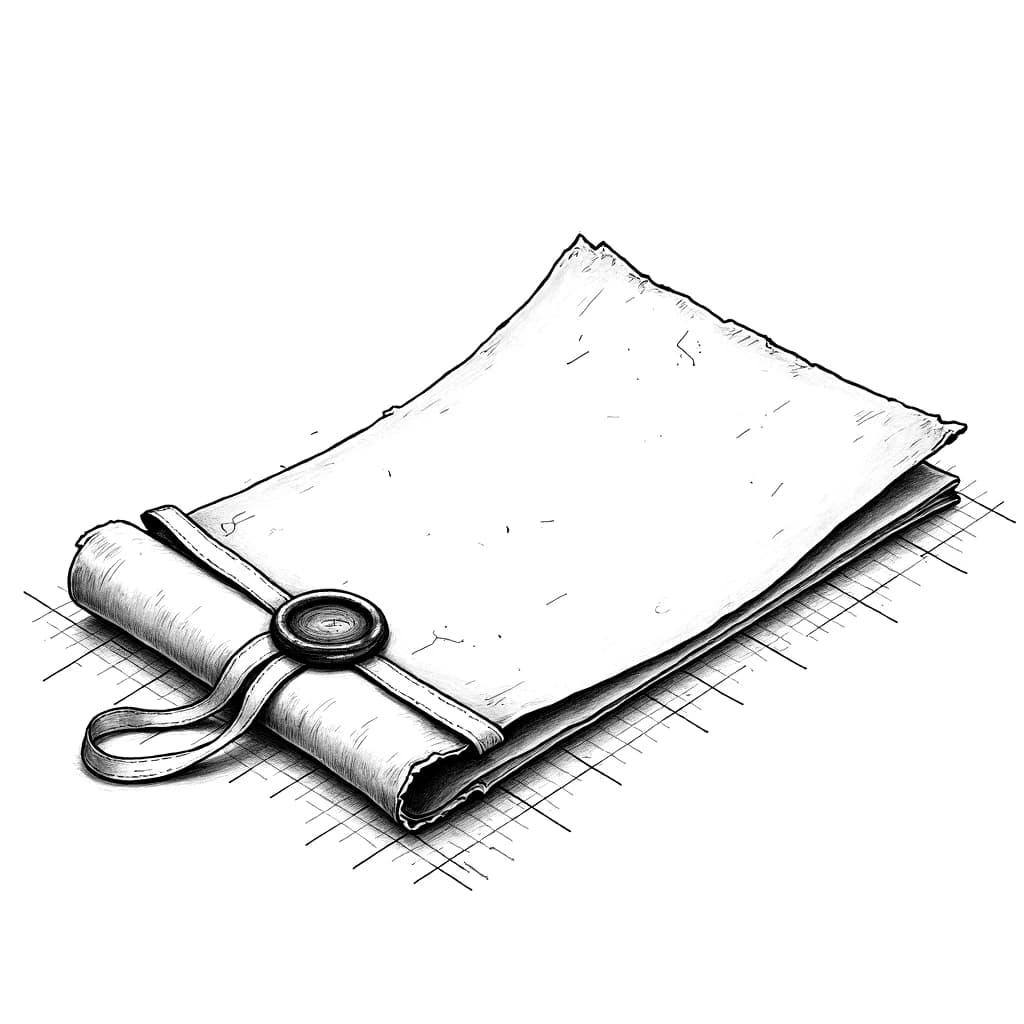
A logged failure lands on the board with its replay, its stack trace and its steps already attached. Nobody retypes what the tool already knows.
Issues
Bugs arrive as tickets, already assigned.
A board with cycles, labels and owners. A logged failure lands on it with the replay attached and the right engineer on it, so triage is reading a queue rather than rebuilding what happened.
Step 01
Issues
A logged failure lands on the board with its replay, its stack trace and its steps already attached. Nobody retypes what the tool already knows.
Step 02
Issues
The owner is inferred from what broke rather than assigned in a triage meeting. A bug nobody owns is the one that ships.
Step 03
Issues
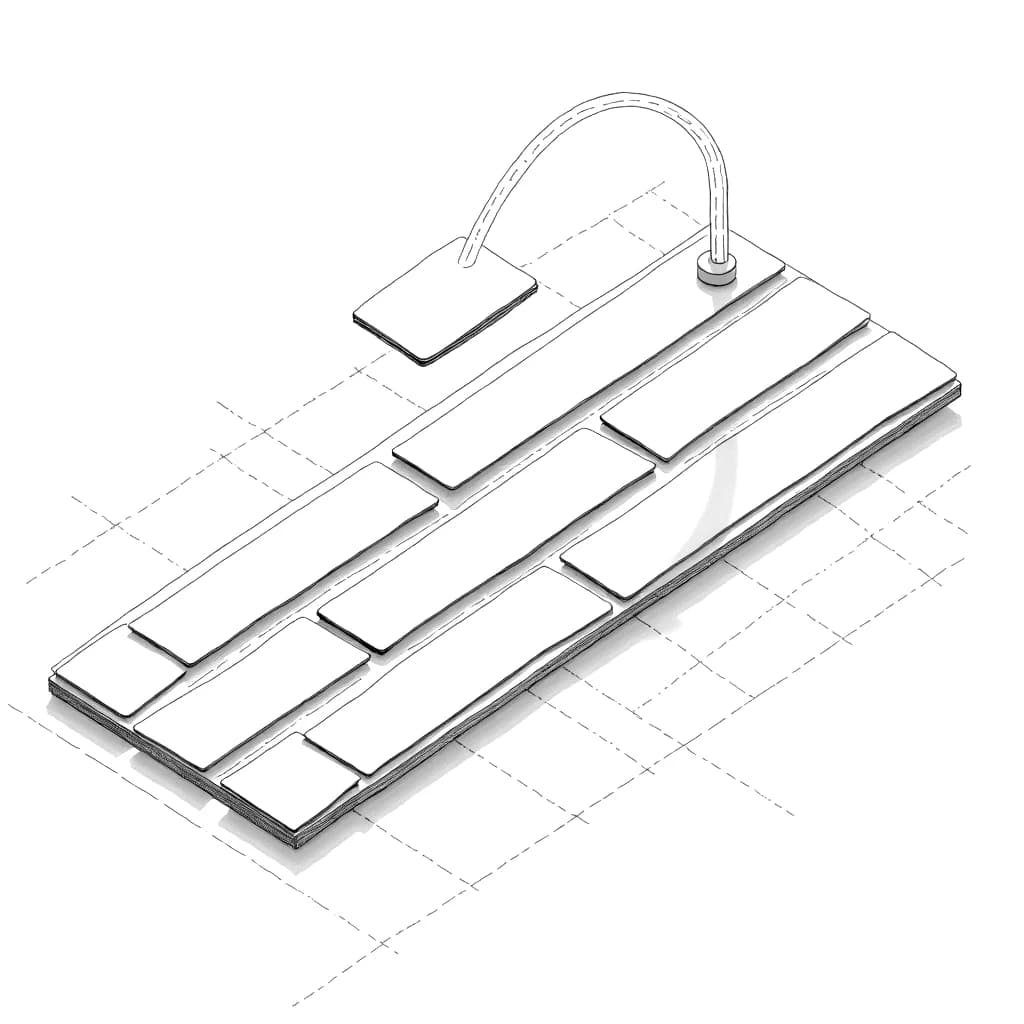
Cycles, labels, comments, ordering. The point is that QA and engineering are looking at the same queue, not exporting between two tools.
One queue
Bugs, and the work around them, in the place the team already looks.
Setup
How it gets turned on
Nothing to set up. The board is where captured failures go.
Three days free. Install it on one project and see what comes back before you decide anything.
Remove the tag and recording stops