Step 01
Error tracking
It catches what nobody reports
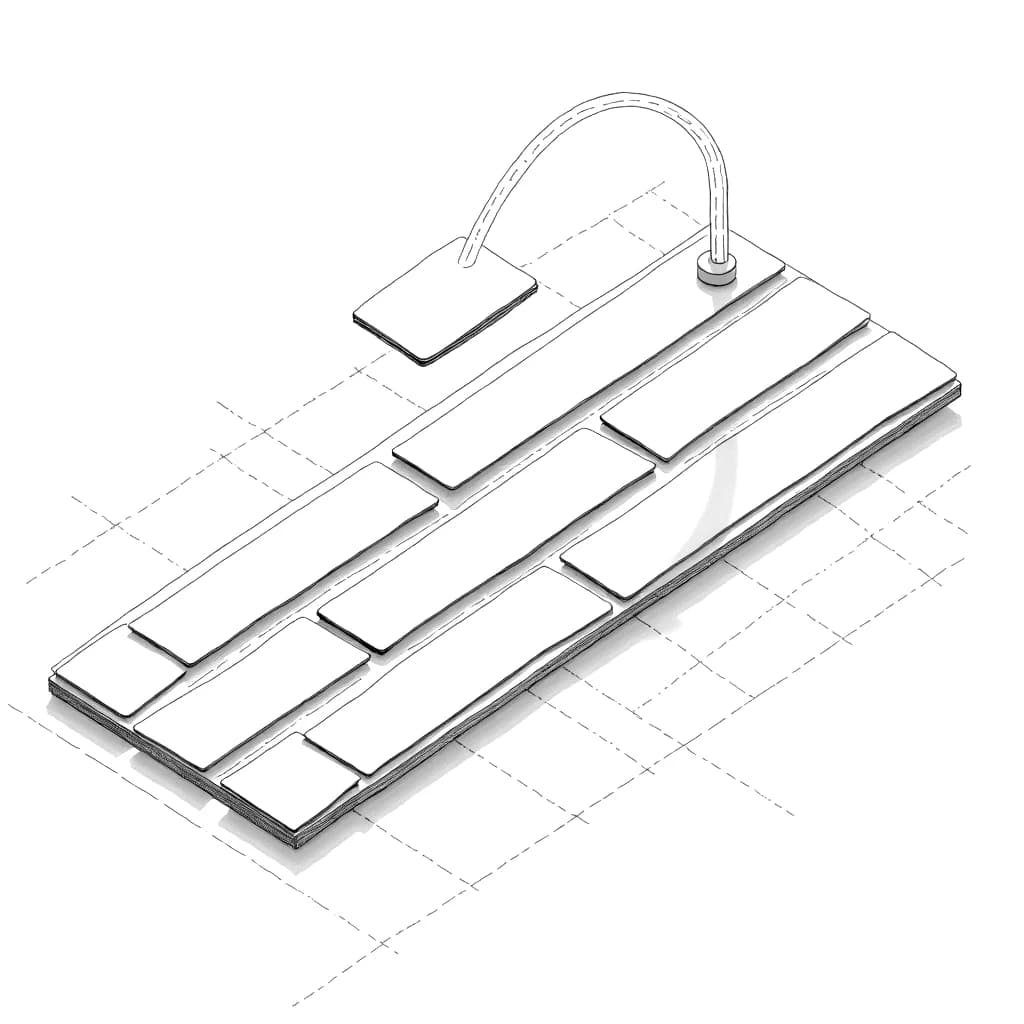
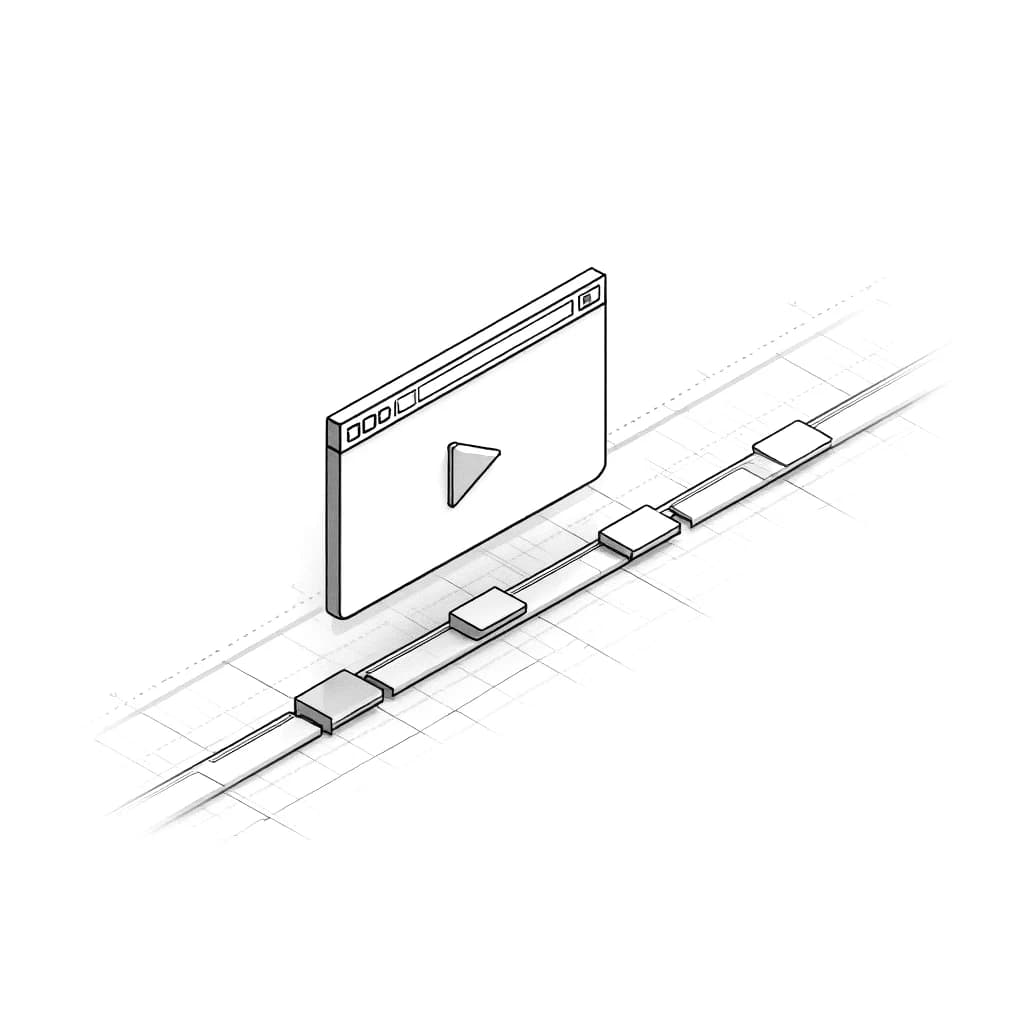
Most failures never become a bug report. The user retries, it works, and they move on. The SDK sees the throw either way and sends it before the tab closes.
Error tracking
Every failure, grouped and owned.
Errors arrive grouped rather than one line at a time, with frontend and backend kept apart so the right person is looking at the right stack. Each group carries its events, its first and last sighting, and its status.
Step 01
Error tracking
Most failures never become a bug report. The user retries, it works, and they move on. The SDK sees the throw either way and sends it before the tab closes.
Step 02
Error tracking
One broken deploy is one problem, not four thousand log lines. Events collapse into groups, each with its own first sighting, last sighting, and count.
Step 03
Error tracking
Frontend and backend are separated at the group level, so a browser exception never lands in the queue of whoever owns the API.
A queue, not a log
Groups you can work through and close, each carrying every event behind it.
Setup
How it gets turned on
One script tag, or the extension. Nothing to configure per error type.
Three days free. Install it on one project and see what comes back before you decide anything.
Remove the tag and recording stops